Anika Craney

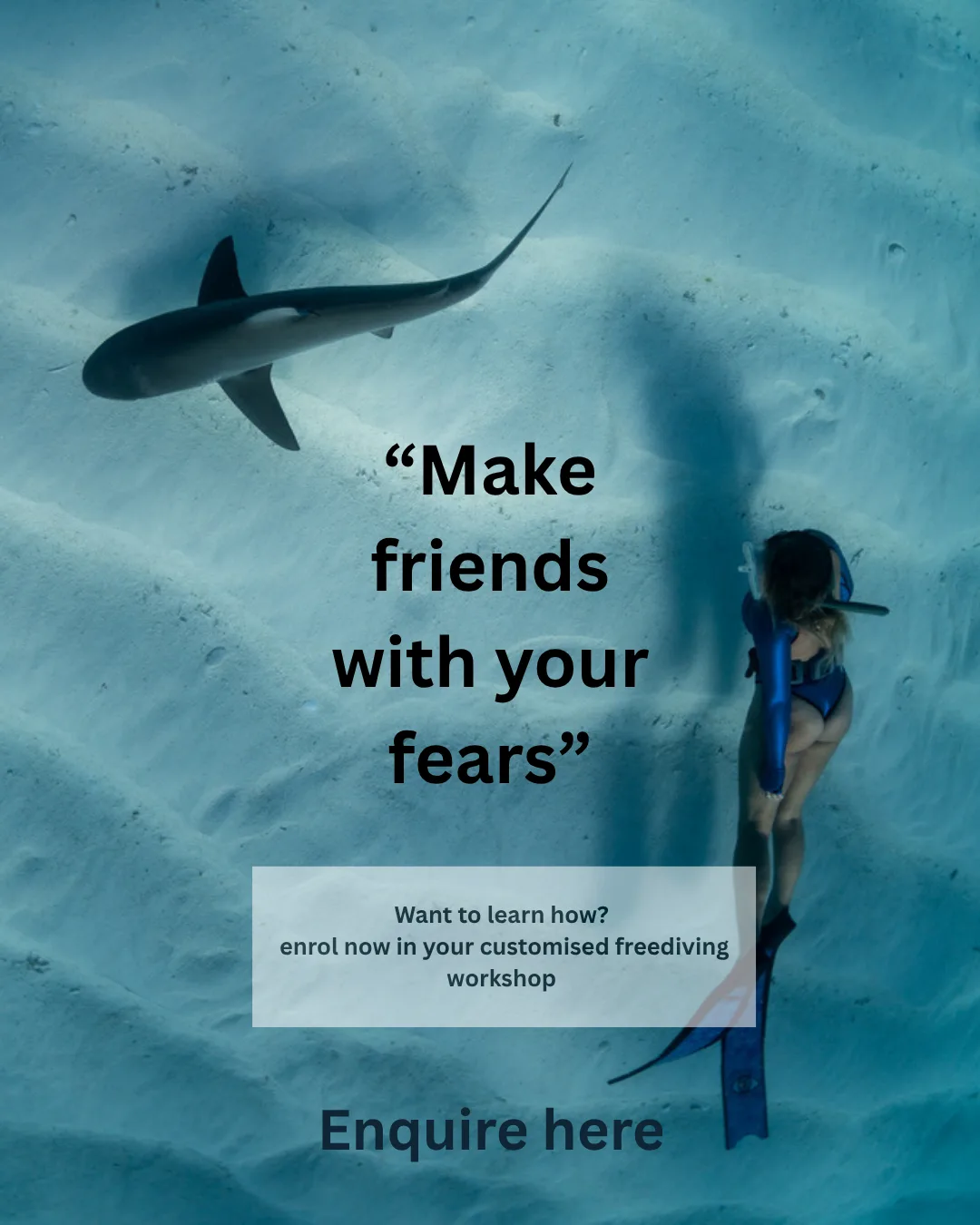
MAKE FRIENDS WITH YOUR FEARS

Freediving instruction, marine research, and ocean experiences — shaped by stillness, confidence, and a deeper connection with the sea.

Freediving, research, and whale swims with Anika Craney.

Certified freediving instructor

Citizen science research assistant

Ocean guide and educator

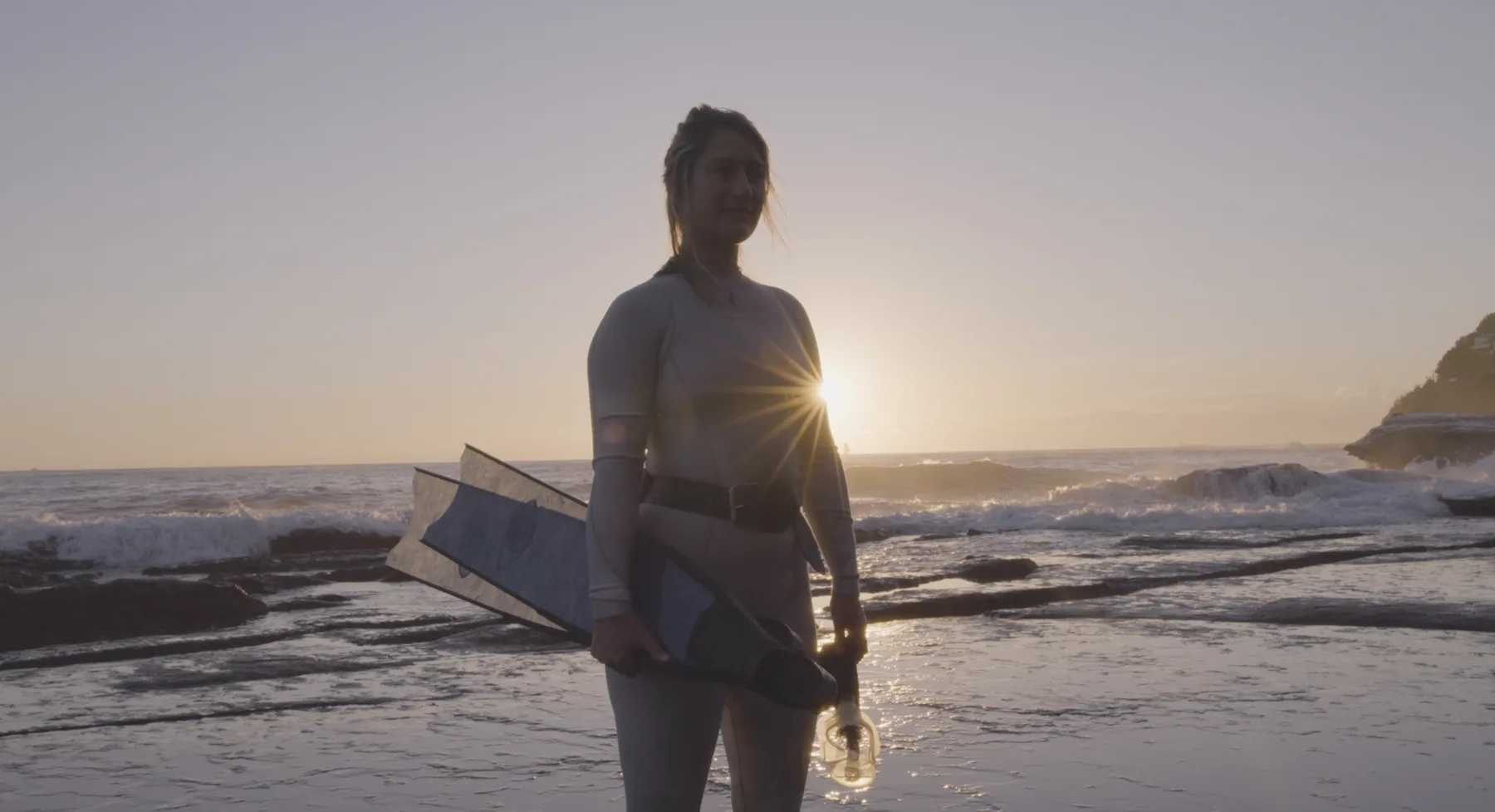
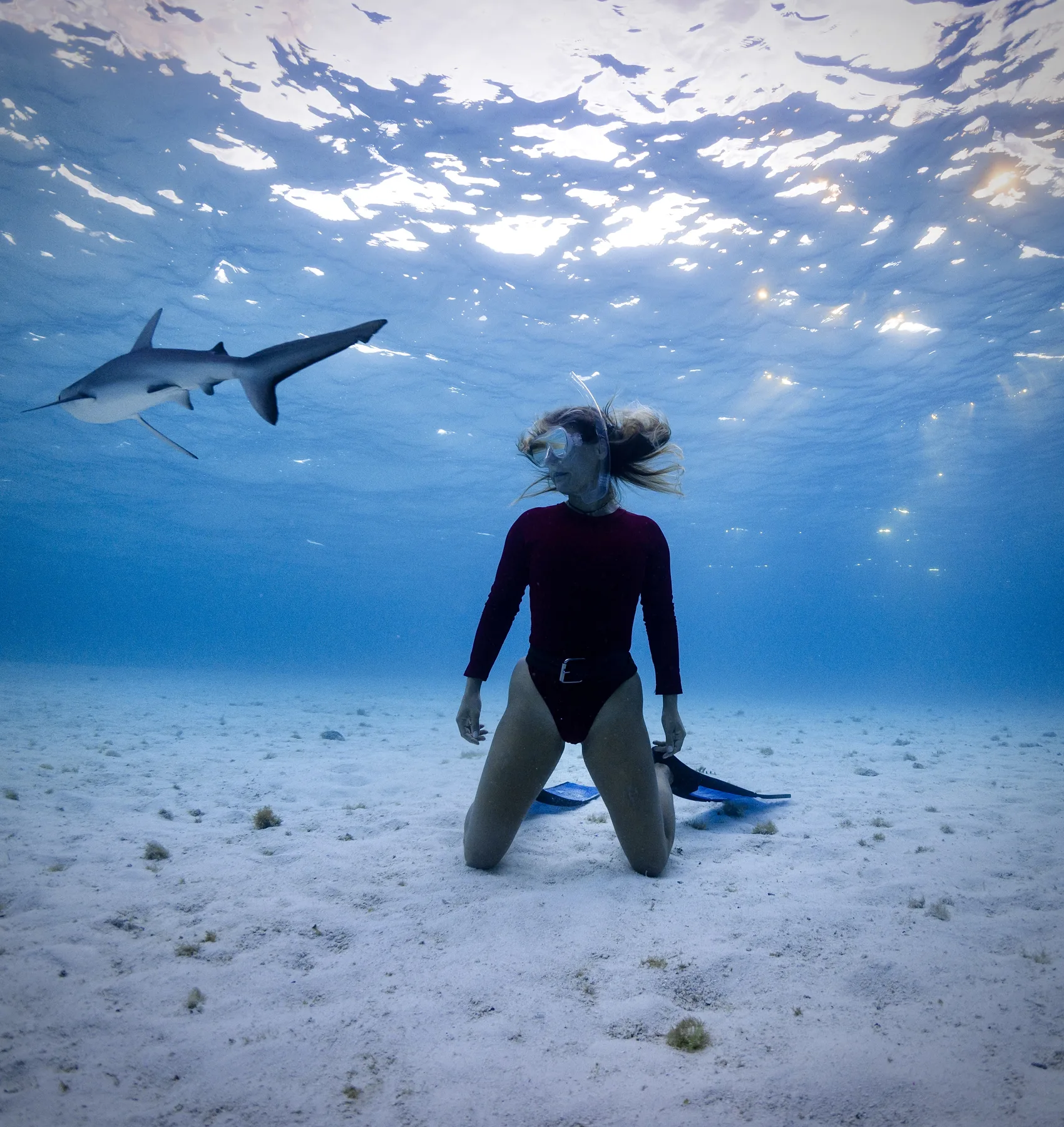
Portrait of Anika Craney outdoors near the coast.

About

Anika Craney

I'm Anika — a freediver, ocean guide, and citizen science research assistant based between the Australian east coast and Lord Howe Island.

My path into freediving started as a personal search for stillness. Holding my breath beneath the surface turned out to be more than a skill — it became a way to quiet the mind, release tension, and feel deeply present. Over time, the ocean became my classroom, my playground, and my greatest teacher.

Today my work sits at the intersection of freediving instruction, marine research, and ocean education. I hold freediving certifications and contribute as a research assistant on the Lord Howe Island shark research program, studying Galapagos shark ecology alongside scientists from the University of Western Australia and Parks Australia.

I'm currently taking expressions of interest for whale swims in Tonga from July to October 2026.

Whether you're here to learn to freedive, face a fear of the ocean, or connect with nature in a deeper way — I create safe, supportive experiences that meet you where you are.

Marine research

Lord Howe Island shark research program

A collaborative study of Galapagos shark ecology, fisher–shark interactions, and deterrent testing in the marine parks surrounding Lord Howe Island.

Anika contributes to this program as a citizen science research assistant, supporting fieldwork in the waters surrounding Lord Howe Island. The program is led by Dr Jonathan Mitchell and Dr Victoria Camilieri-Asch at the University of Western Australia, with funding from Parks Australia and in-kind support from NSW DPIRD. The program relies on ongoing community support — you can contribute via their GoFundMe campaign.

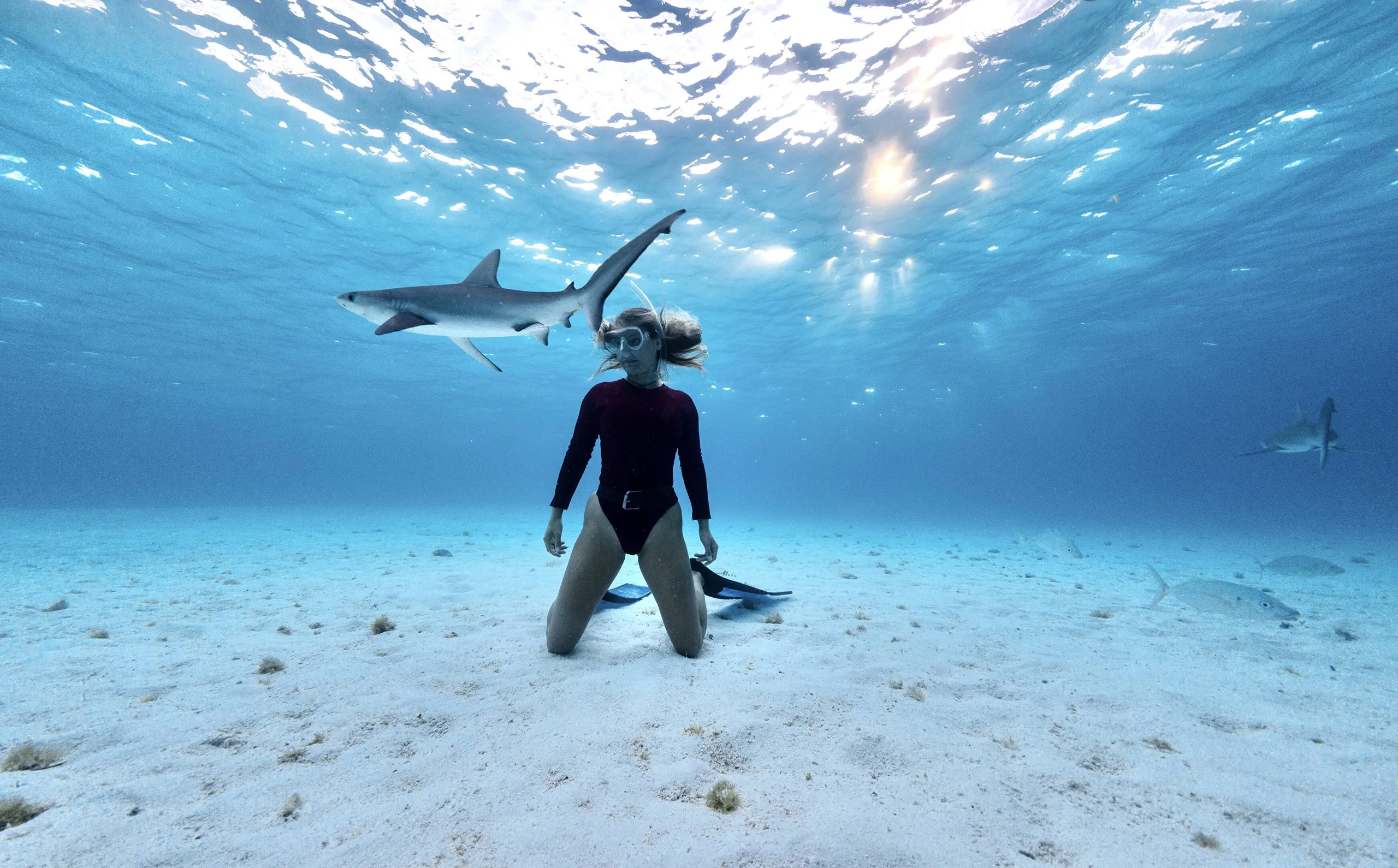
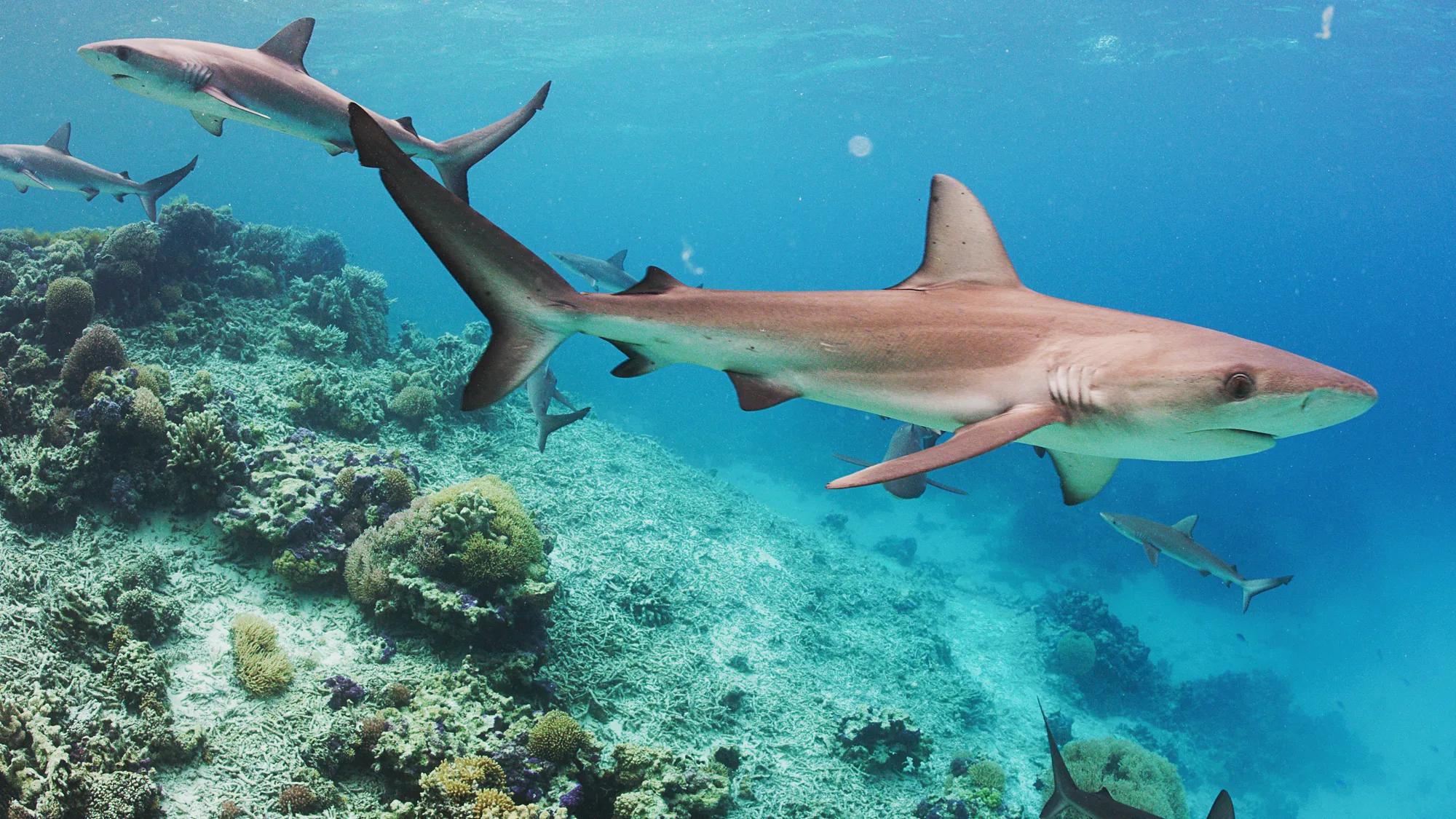
Shark image used to introduce the Lord Howe Island shark research program section.
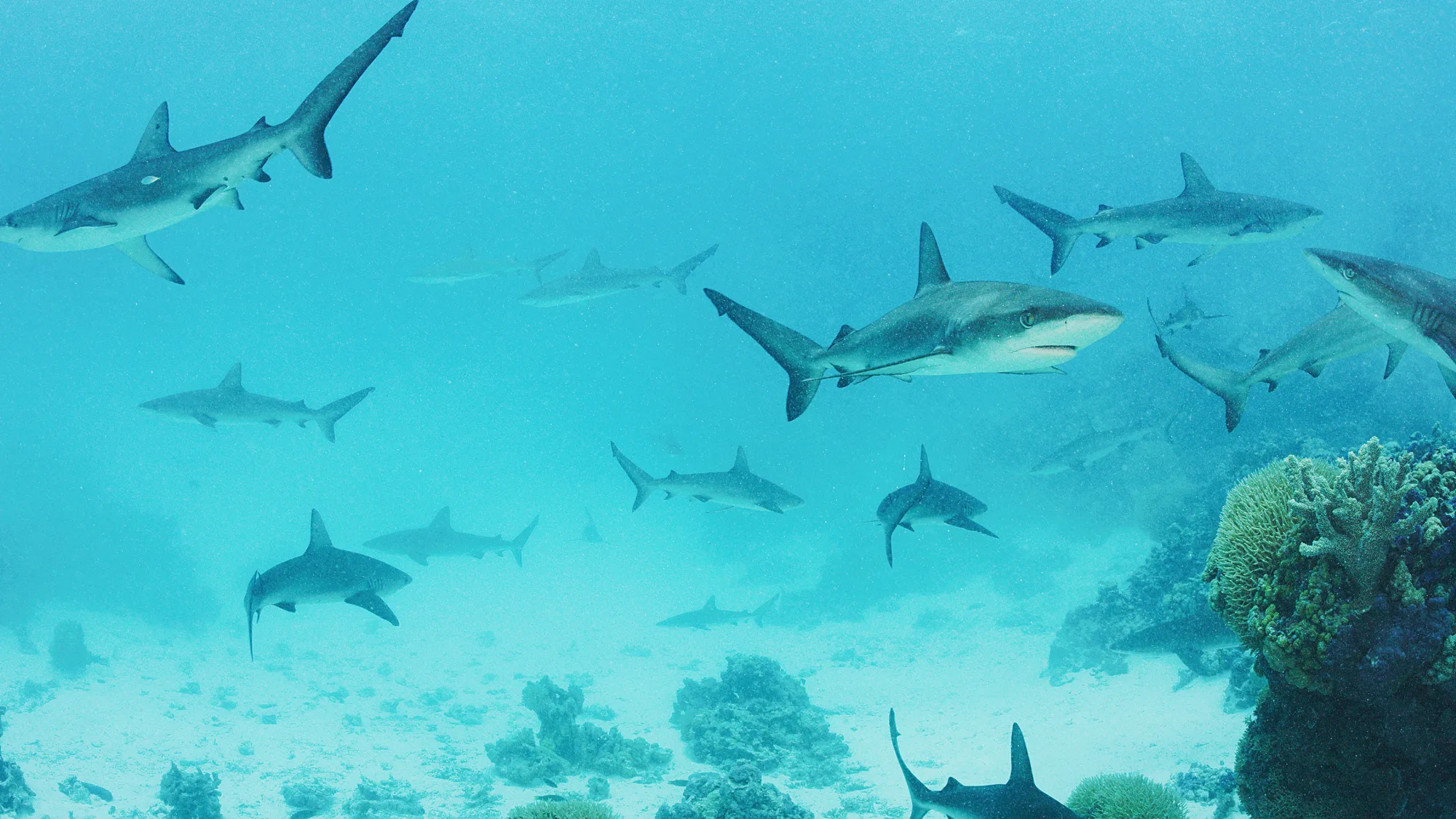
Galapagos sharks swimming over coral reef habitat near Lord Howe Island.

Understanding movement ecology

The research program was started by marine park managers from NSW DPIRD and Parks Australia to address depredation — the loss of hooked fish to sharks before they can be retrieved. They partnered with scientists at the University of Western Australia and the Integrated Marine Observation System to better understand the Galapagos sharks in these waters.

The program has been running since 2018, using acoustic tracking and vessel monitoring system data to study movement patterns, residency, depth range, and overlap with fishing vessel activity. Thirty individual sharks were tagged in the first year, establishing baseline knowledge that continues to inform management as the animals reach maturity.
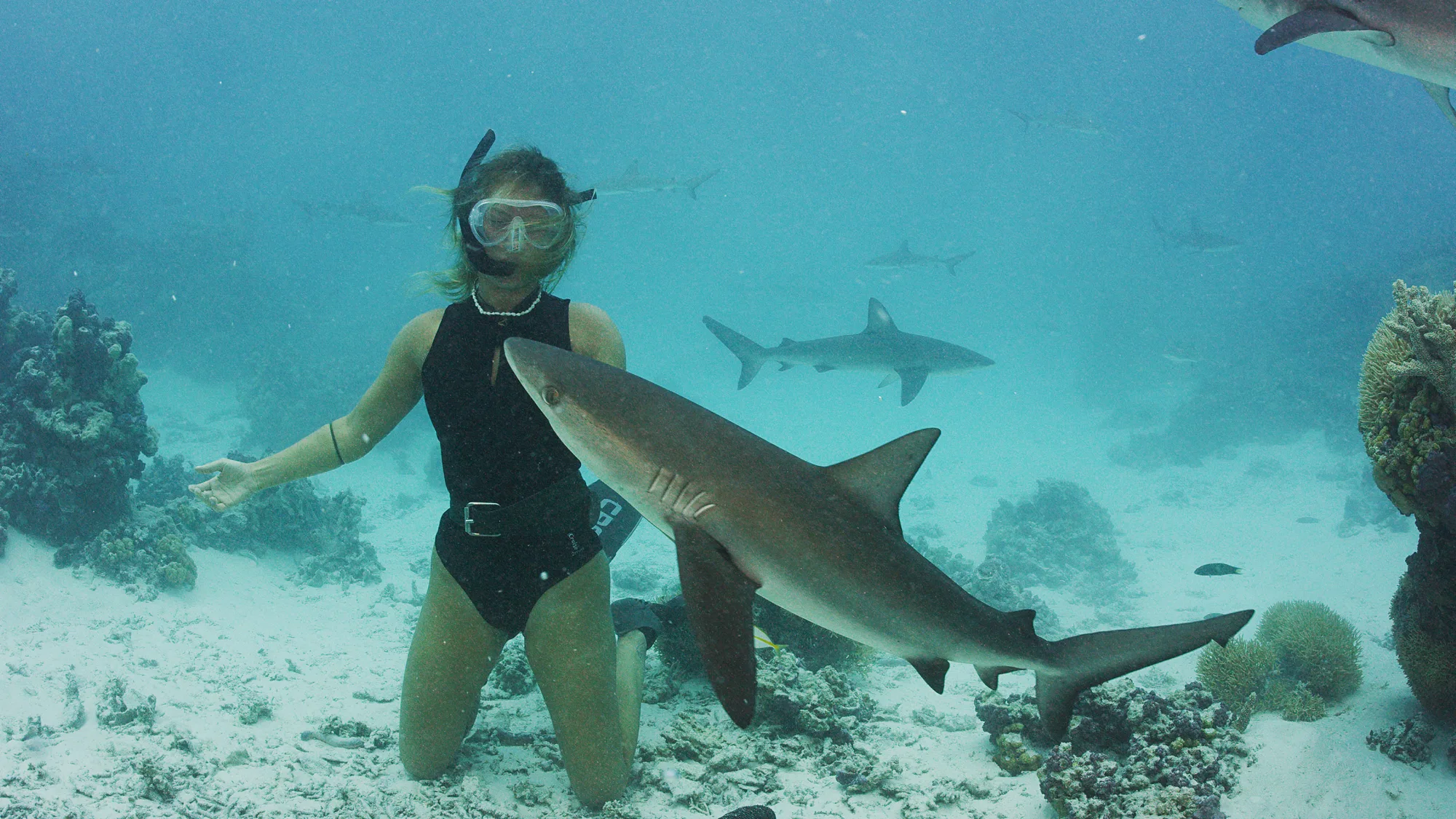
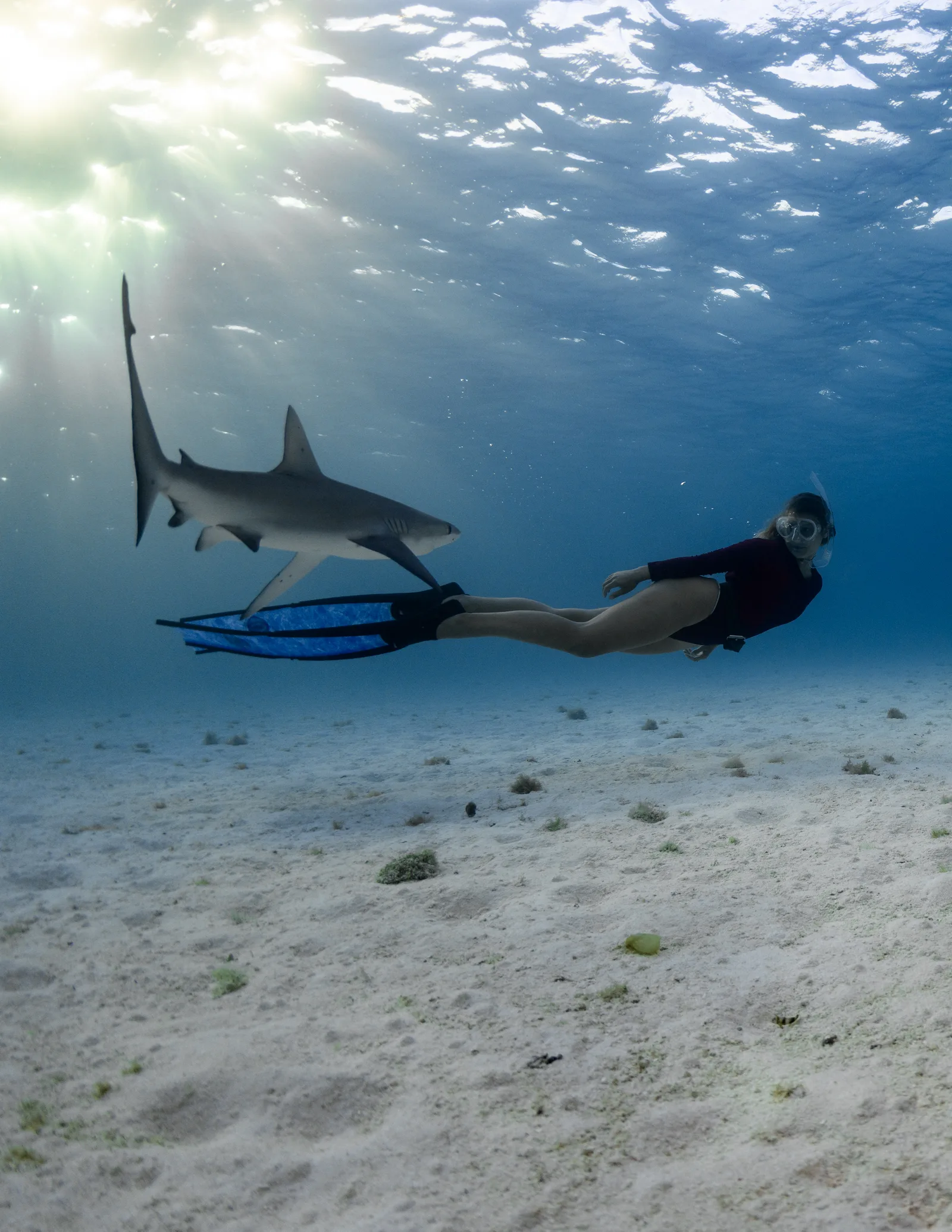
Research image illustrating shark movement and monitoring work.

Key findings

These sharks are mostly resident in Lord Howe Island waters. Their home ranges varied from 1 to 1,200 square kilometres, with some individuals moving up to 12 kilometres per day. Their presence peaks in spring and summer, and they are most active between 30 and 100 metres depth — a range that overlaps with popular fishing areas and fish cleaning sites.

The current phase of the project is also testing electrical and magnetic shark deterrent devices to reduce bycatch and depredation, using a two-phase approach. The aim is to find practical solutions that promote coexistence between fishers and sharks.

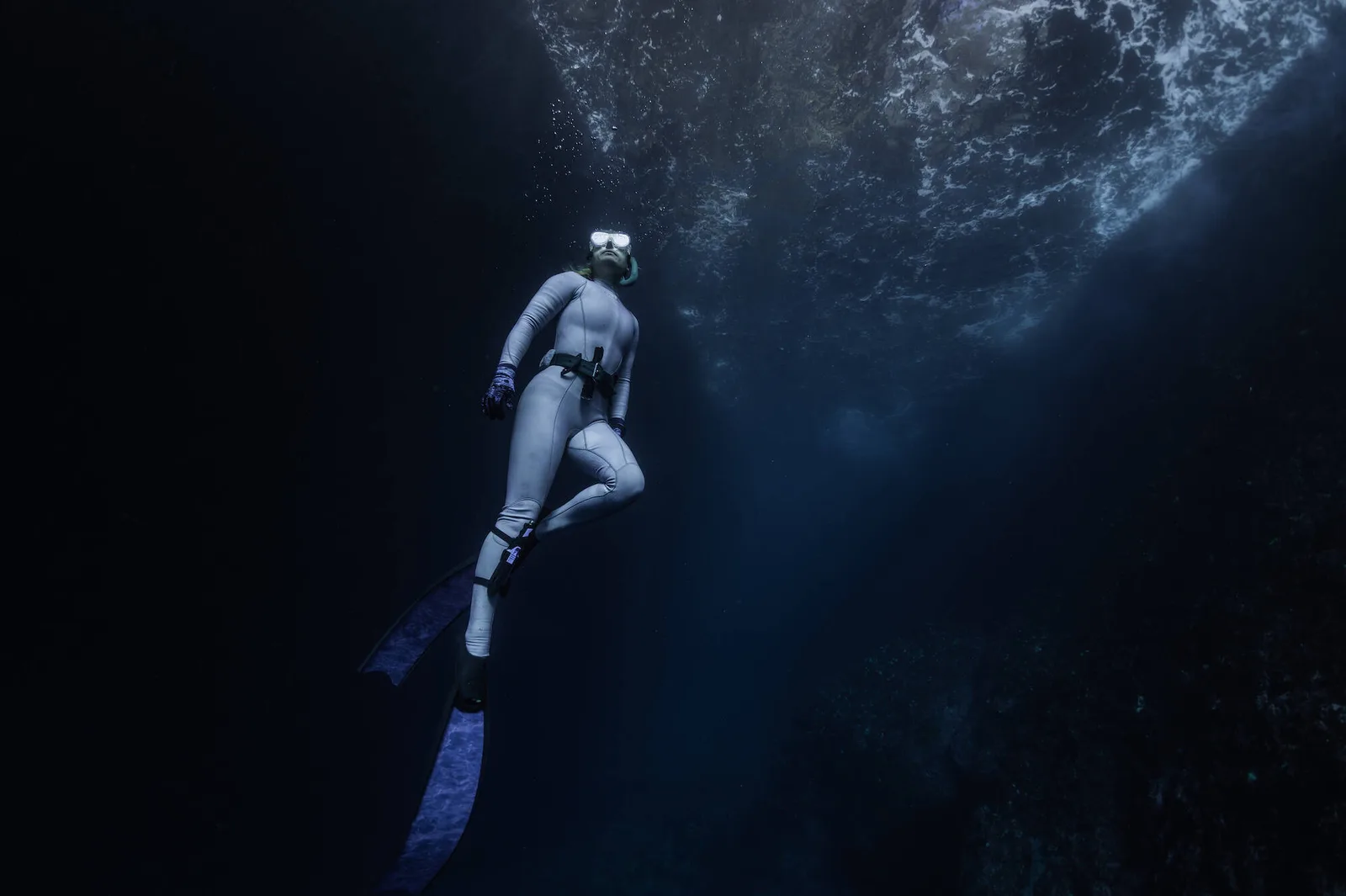
Diver in the water during fieldwork around Lord Howe Island.

Why it matters

Galapagos sharks are an important indicator species for the health of the marine parks surrounding Lord Howe Island. Their abundant population signals a functioning ecosystem — and because they can be encountered safely in-water without the use of bait or attractants, they also provide meaningful social and economic value for visitors, residents, and local businesses through diving and snorkelling experiences.

However, negative interactions do occur. Fishers report that depredation — where sharks consume hooked fish before they can be retrieved — has increased over the past decade. This has been linked to possible changes in shark behaviour, with the animals associating boat engine noise with the availability of food from bait, hooked fish, and discarded fish waste. Finding ways to reduce these interactions while supporting positive ones is critical to promoting coexistence and maintaining the environmental, social, and economic values of the marine parks.

Continuing the deepwater acoustic receiver array is recommended to further monitor this population long-term and to provide new insights into the movement ecology of adult Galapagos sharks, which remains limited worldwide. Maintaining the array will also provide vital ongoing benefits for investigating connectivity of marine megafauna across the broader Tasman Sea region. The research team has also recommended further testing of shark deterrent devices and ongoing education activities with the Lord Howe Island community to raise awareness and foster interest in Galapagos sharks and the marine parks.

Meet the Galapagos sharks

Galapagos sharks — also known as whaler sharks — were first described from the Galápagos Islands. Around Lord Howe Island, most individuals encountered are immature, reaching around two metres in length at maturity between six and nine years of age. They feed on pelagic fish, reef fish, and squid. The waters surrounding Lord Howe Island and Elizabeth and Middleton Reefs serve as important nursery areas for the species. To support the continued research and monitoring of this population, visit the program's GoFundMe page.

Sources: Parks Australia program page and Galapagos sharks PDF

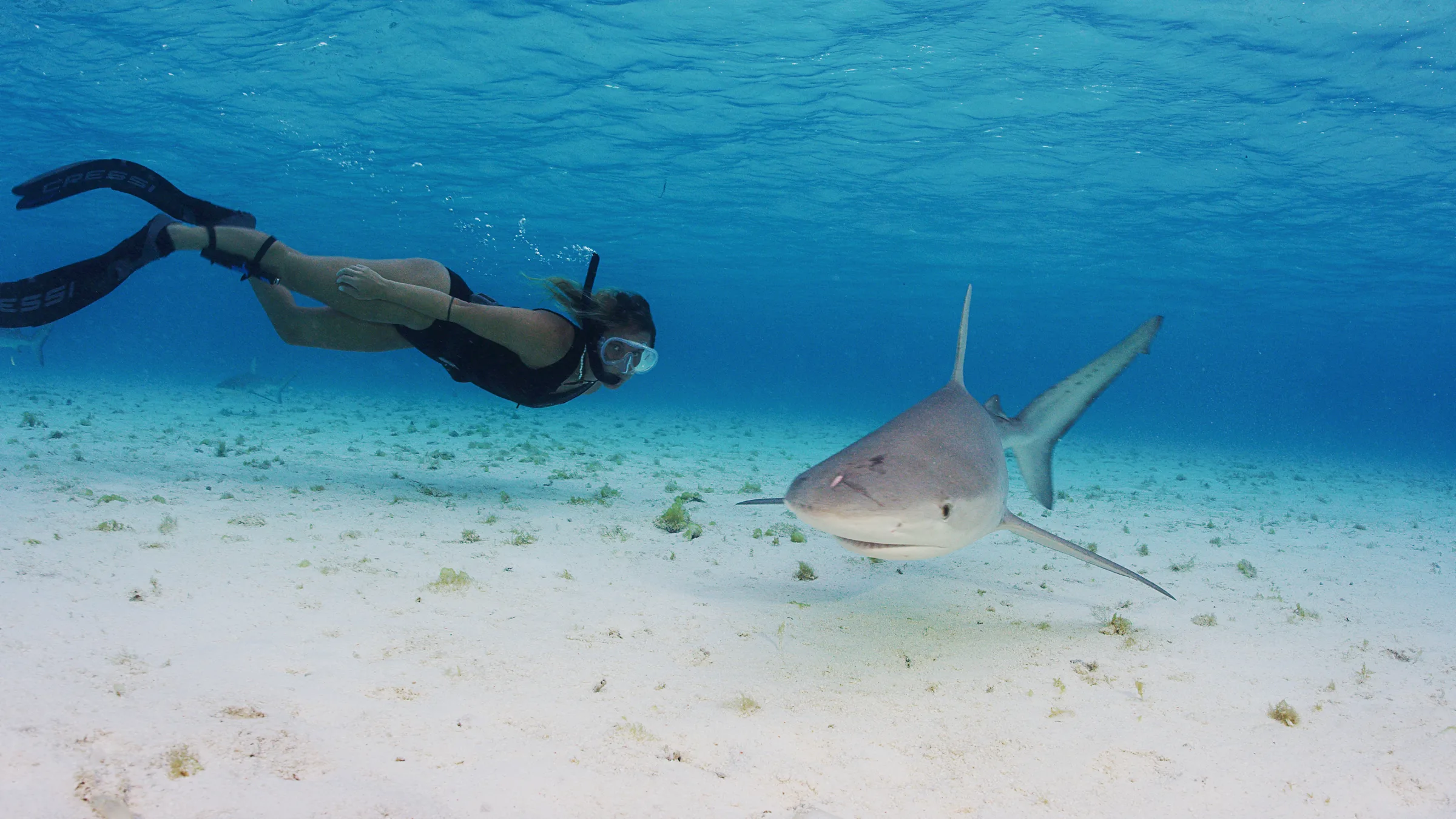
A school of Galapagos sharks moving through blue water near Lord Howe Island.

July – October 2026

Swim with humpback whales in Tonga

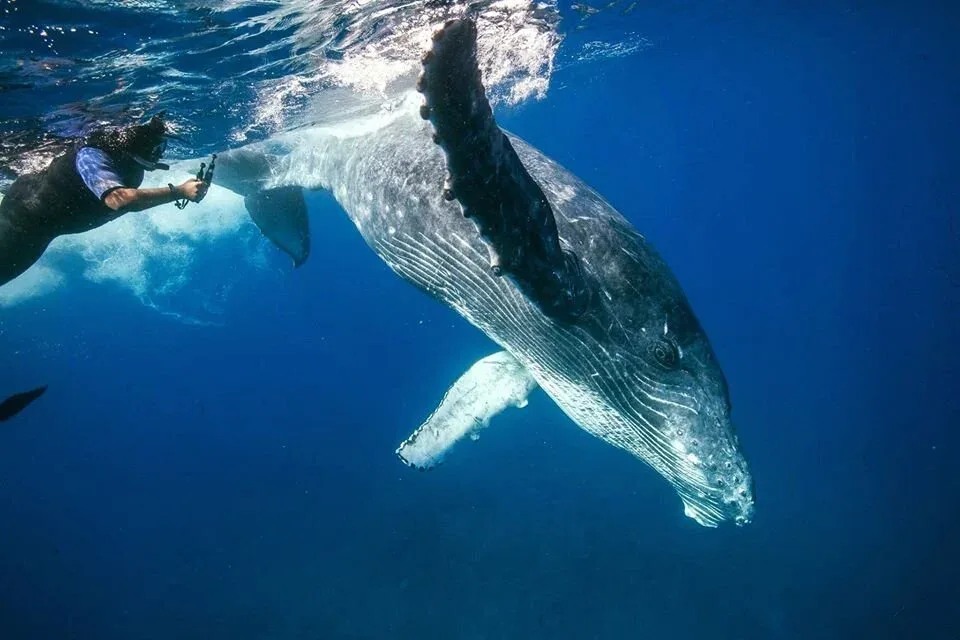
Every year from mid-July to mid-October, humpback whales migrate from the Antarctic to the warm, calm waters of Ha'apai in the Kingdom of Tonga — to breed, give birth, and nurse their young. Tonga is one of only a few countries in the world where you're permitted to snorkel alongside humpback whales.

Anika is coordinating guided whale swim trips based at Ha'apai Beach Resort on Lifuka Island — a beachfront resort nestled right on the sand, overlooking turquoise waters and the surrounding islands. Five-night and seven-night packages are available.

Trips depart daily from the main wharf in Pangai, with professional, fully licensed guides who prioritise the welfare of the whales and the safety of guests. In-water encounters are conducted with a soft, respectful approach — if the whales show signs of being disturbed, contact is ceased and the search continues for animals that are more comfortable interacting.

Register your interest below and Anika will be in touch with details, availability, and any offers as they're confirmed.

Guests swimming alongside a humpback whale in Ha'apai, Tonga.

Register your interest and Anika will be in touch with details, availability, and any offers as they're confirmed.

Get in touch

Start a conversation with Anika

Reach out about freediving sessions, breathwork, ocean experiences, the Tonga whale swims, or anything else.